 NOUS Team
AI vs Receptionist Tire Shop: Which Handles Calls Better During Peak Season?
AI vs Receptionist Tire Shop: Which Handles Calls Better During Peak Season?
7 min read
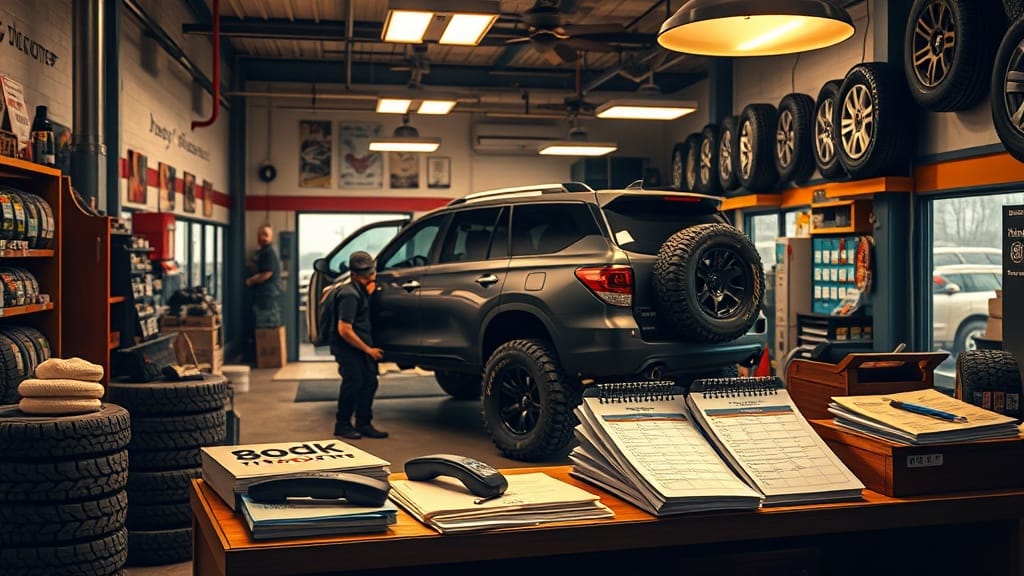
It's 9am on a Tuesday. You've got three cars in the air. Your phone is ringing off the hook while your tech just called in late.
Peak season hits hard for tire shops. Winter changeovers mean calls flood in about appointments, stock, and quotes. But with bays full and staff stretched thin, 62% of calls go missed during those hours.
Customers hang up fast. 85% won't leave a voicemail when they hear no answer. Each lost call means a missed $400+ job that could've padded your revenue.
Your shop thrives on repeat business. Frustrated callers go elsewhere. They book with the competition who actually pick up.
The issue isn't your team ignoring the phone. It's that no one person can juggle bays, customers, and endless ringing. What if your phone never missed another call, even when you're elbow-deep in a tire swap?
Cost of a Receptionist in Your Tire Shop
Front desk staff sound straightforward. But in Ontario, they run $18-25 per hour. Add benefits, WSIB premiums, and training. That hits around $45,000 a year per employee.
Turnover kills you worse. Entry-level roles see over 50% churn yearly from seasonal rushes and retail poaching. Each hire adds 25-30% extra in onboarding costs.
Canadian Federation of Independent Business data shows 42% of small auto shops struggled to find workers in 2023. You post ads, interview, train. Then they quit after the first snowstorm. All for inconsistent service that loses 10-15% of your revenue to no-shows and double-books.
AI changes that math. Services cost $500-1,500 monthly for 24/7 coverage. Gartner studies on SMBs peg payroll cuts at 60-70%. One shop pays for itself with a handful of booked jobs.
Peak Season Call Volume: Human Limits vs AI Stamina
Tire shops face 200 calls a day during winter swaps, per Automotive Industries Association of Canada. Manual receptionists overload fast. They miss 30% as lines queue up.
AI answers 95% instantly. No breaks, no sick days. It books appointments, checks tire stock, sends confirmations. All without fatigue.
Think double-bookings from tired staff. Or no-shows because follow-ups slip. AI handles scripts tailored to your shop. Customers get tire availability in seconds. Your bays stay full because calls turn into jobs, not voicemails.
Quebec shops use bilingual AI for French-English calls. They boosted winter bookings 25%. Ontario independents dodge HST margin hits the same way.
AI systems boast 95% call answer rates, while manual receptionists miss 30% during peak tire changeovers.
Customer Experience: Does AI Feel Human in a Tire Shop?
Skeptics worry AI sounds robotic. But modern systems use natural voices. Customers think it's your front desk.
They ask about winter tire stock. AI pulls real-time inventory. Confirms slots around your bays. Even upsells alignments.
In a trust business like tires, consistency wins. Humans vary by mood or shift. AI delivers the same friendly script every time. Shops report 40% fewer missed calls, keeping loyal customers who expect pickups.
Ontario accessibility laws? AI stays on 24/7. No coverage gaps. It builds trust without the HR grind.
Family-run spots integrate via Google Voice. No tech headaches. Live in days, not months.
AI frees you to focus on bays and revenue, not staffing woes. Your phone becomes a revenue machine.
Price seems high at first. But one recovered tire job covers the month. Setup takes under 10 business days for most shops. Customers rave because responses feel personal.
One shop we work with in Markham, Ontario, ditched two part-timers for AI. They cut $25,000 in annual costs. Missed calls dropped 40%, bays filled faster per their 2024 review.