 NOUS Team
NOUS vs Phone System Tire Shop: Why Basic Systems Fall Short
5 min read
NOUS is an AI phone answering service built specifically for tire shops across North America.
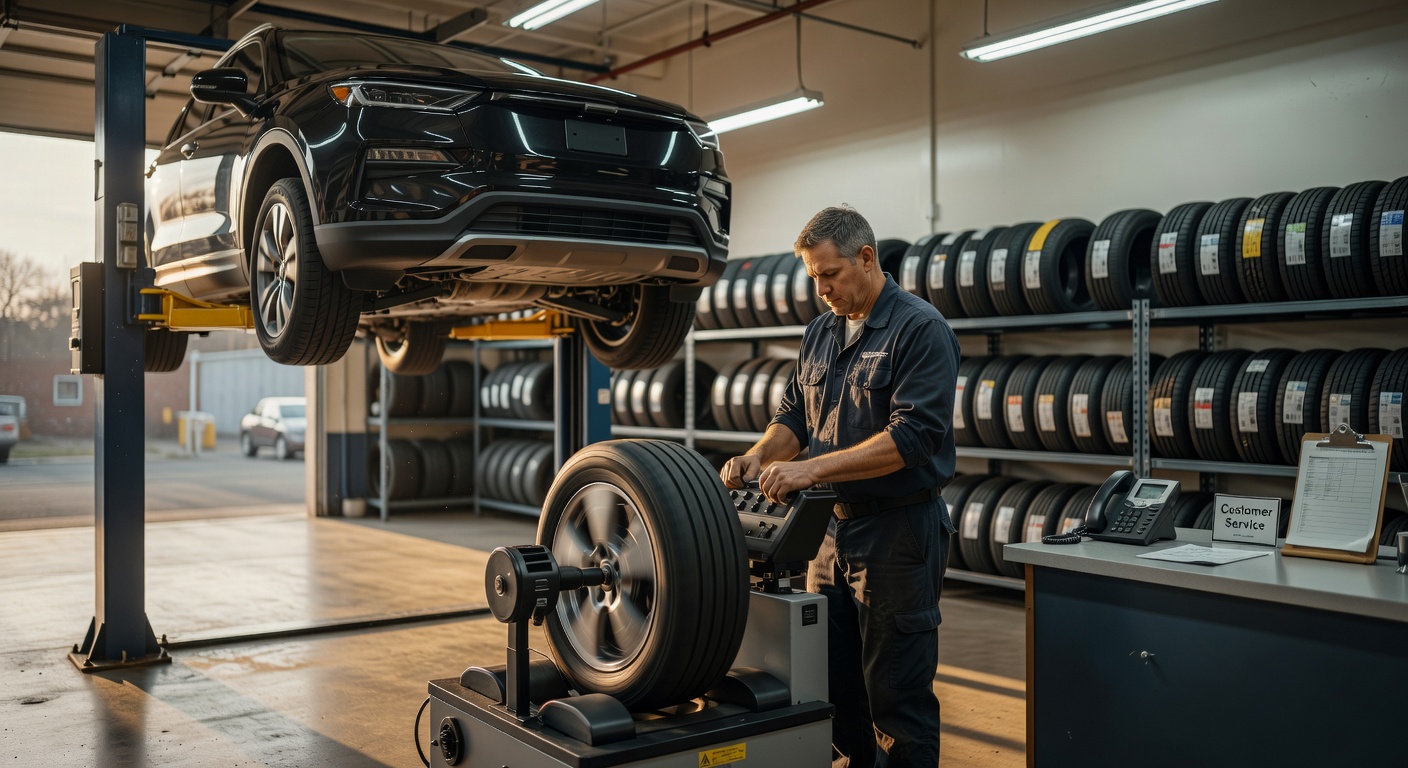
It's 9am on a Tuesday. You've got three cars in the air, your tech just called in late, and your phone is ringing off the hook.
The line stays busy for the next forty minutes. When you finally check, three voicemails sit there from customers who needed winter tires mounted before the snow hit. Two never call back. That is the daily reality for shops running on basic landlines or single-line systems.
The average tire shop misses 8-12 calls per day during busy periods (NOUS customer data). 85% of callers won't leave a voicemail, they call the next shop (industry average). The average missed tire job is worth $400 or more in lost revenue (NOUS customer data). 70% of customers say they chose a shop based on how quickly their call was answered (customer survey data).
These numbers add up fast in Ontario when October turns into December and every shop is slammed. Owners watch marketing spend disappear because the phone never gets picked up. Staff already juggle counter work and shop duties, so the ringing line becomes one more task nobody can finish properly.
The issue isn't that you don't care about the phone. It's that you physically can't be in two places at once when the bays are full and the counter is backed up.
Where basic phone systems break down during peak season
Legacy systems show their limits the moment call volume spikes. A single landline or old PBX box cannot route calls to the right person. A customer asking about tire prices gets put on hold while the tech who knows the inventory stays on another line. That delay pushes people to bigger chains that answer on the first ring.
Tracking where calls come from is nearly impossible without extra hardware or manual notes. Owners end up guessing which ad brought in the winter package bookings instead of seeing clear numbers. Shops that cannot measure phone performance also cannot improve it, so the same busy signals repeat every season.
After-hours calls disappear completely. Snowstorms bring emergency flat repairs and customers who need help at 7pm. Basic systems offer no way to capture those jobs without someone staying late to monitor the line. The result is steady leakage to competitors who stay reachable.
How call routing and logging change daily outcomes
Modern platforms let one number handle multiple lines without extra hardware. Calls route automatically to whoever is free, whether that is the service advisor or the counter person. No more customers sitting on hold while the right person finishes a job.
Every call gets logged with time, number, and outcome. Owners see exactly which marketing channels drive tire rotations or winter package sales. That data replaces the old guesswork and shows which ads actually pay off. One shop in the Greater Toronto Area tracked a 30 percent jump in booked appointments once they could see and act on those numbers.
Why Voicemail Is Killing Your Tire Shop's Growth covers the same pattern: missed calls during the day turn into lost jobs that never appear on the schedule. Logging turns those invisible losses into visible opportunities.
After-hours coverage that actually books jobs
Winter in Ontario does not respect business hours. Customers search for tires at night and call the next morning expecting an answer. Shops with 24/7 phone coverage see 15-25% higher customer retention rates (industry average) because they catch those after-hours inquiries before the customer moves on.
Automated routing sends emergency calls to the on-call tech or books them for the next morning without extra staff. Price shoppers get qualified quickly instead of tying up the line. The system handles the first contact so your team only steps in when a real appointment is ready.
How AI Tire Shop Price Shoppers Get Qualified Without Tying Up Your Staff explains how that qualification step keeps the shop floor moving while still capturing the job.
One recovered job covers the cost
Price comes up fast when owners compare options. One recovered tire job pays for the whole month. Shops that used to lose 8-12 calls daily now book those jobs instead of watching them go elsewhere. The math is simple once you see the actual call volume and the revenue attached to each missed inquiry.
Setup takes under ten business days for most locations. The system works on existing phones and does not require new wiring or long training sessions. Staff get a simple handoff process so the phone stops feeling like extra work.
One shop we work with in Markham switched last winter. They tracked an extra 22 appointments in the first month from calls that used to go unanswered. The owner now sees exactly which days need extra coverage and which ads bring the highest-value jobs. No more guessing at month end.
Frequently Asked Questions
How does NOUS handle calls differently than my current phone system?
NOUS routes calls to the right person, logs every conversation with notes, and answers after hours so no inquiry slips away. Your current system likely drops calls once the line is busy or sends them to voicemail that staff rarely check during the day.
Will customers know they are talking to an AI instead of my front desk?
Most callers think they reached your shop directly. The system uses natural conversation and hands off to a real person the moment the call needs shop-specific details or scheduling.
What happens if a customer needs a quote only my tech can give?
The system takes the details, checks availability, and either books the job or schedules a callback from your team within minutes. No customer waits on hold while someone finishes a tire change.