 NOUS Team
What a 10% Call Answer Rate Improvement Is Worth for Your Tire Shop
5 min read
NOUS is an AI phone answering service built specifically for tire shops across North America.
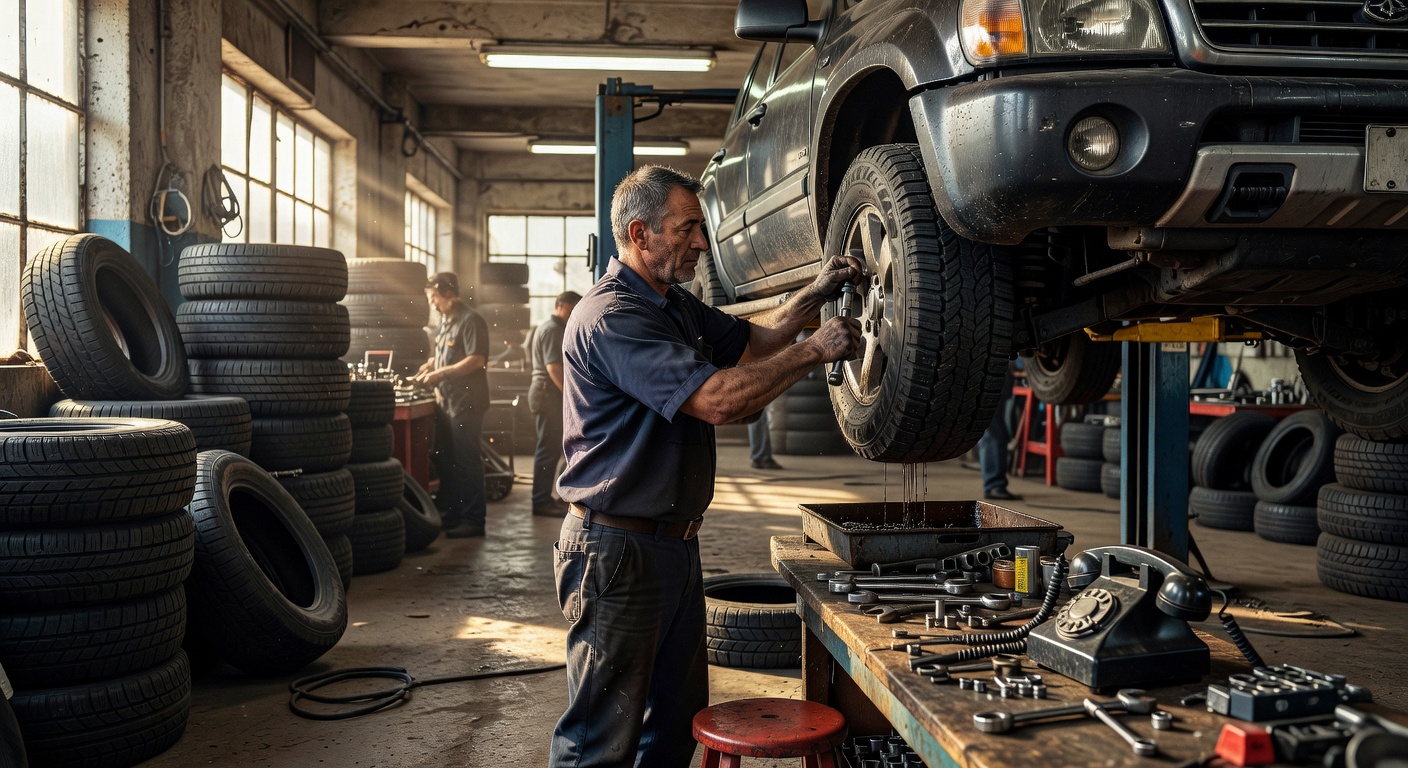
It's 9am on a Tuesday. You've got three cars in the air, your tech just called in late, and your phone is ringing off the hook.
By the end of the day, you've missed 10 calls. Each one could have been a $400 tire job.
Independent tire shops answer just 60-70% of calls during peak seasons (CallRail and Invoca data). That leaves 30-40% slipping away.
62% of calls to small auto shops go unanswered during peak hours (NOUS customer data). Add in the fact that shops miss 8-12 calls per day when it's busy (NOUS customer data), and you're watching revenue walk out the door.
Most callers won't wait. 85% won't leave a voicemail. They call the next shop instead (industry average).
The average missed tire job costs $400 or more in lost revenue (NOUS customer data). And 70% of customers pick a shop based on how fast their call gets answered (customer survey data).
In Ontario's winter rush, calls spike 50-70%, but many shops can't keep up (OASTA data). Chains grab those jobs while you scramble.
You know this pain all too well. Walk-ins pile up, techs are buried in bays, and the phone never stops.
The issue isn't that you don't want every call answered. It's that you're pulled in five directions, and no one person can cover the front desk 24/7.
But a simple 10% bump in your call answer rate turns those misses into booked jobs without adding staff.
Breaking Down Your Shop's Call Answer Rate
First, figure out where you stand. Most independent tire shops hover at 60-70% answered during peaks (CallRail and Invoca, tracking 10,000+ locations). Check your phone logs or use free tools like Google Voice reports to see the real number.
Peak hours hurt the most. 62% unanswered then (NOUS data). That's when customers search online and call within an hour (60%, Google data). Miss them, and they're gone.
Why so low? Understaffed desks handle walk-ins. Techs multitask. Seasonal rushes tie up lines, especially October to April when 40% of Ontario revenue hits from winter tires (OASTA).
Outdated systems lack queuing. No overflow routing. Rural cell gaps make it worse.
Test it yourself: Track calls for a week during busy times. You'll see 8-12 misses daily (NOUS average). Each unchecked rings three times, then 78% of callers bolt to competitors (TRAC 2022 survey).
Link your basic CRM. Spot patterns like peak hour losses. We've seen shops drop to 50% answered on Saturdays. That's fixable.
This baseline matters. Without it, you can't value the gain. Read more on tire shop peak hour calls to dig deeper into your busiest losses.
Shrinking margins at 4-6% for independents make every call count (vs chains). Acquisition costs up 15% yearly from digital ads. Answering more keeps you in the game.
The Real Dollar Value of a 10% Improvement
Take a mid-sized shop with 50 calls daily. At 65% answered, you get 32.5 booked chances. A 10% lift to 75% adds 5 more answered calls per day.
40% convert to appointments (2023 BizService study). That's 2 extra jobs daily. Each lead averages $100-250 lifetime value (AARC benchmarks).
For that shop, it's $15,000-$30,000 extra annual revenue from recaptured leads. Scale to your volume. Miss fewer, book more.
Winter mandates in Ontario drive it home. 1,200 independents fight chains. A 10% edge captures 15-20% more missed leads.
Real example: Burlington shop upped 12% with tracking, added $22,000 winter sales (OASTA case). Regina dealer gained 18 monthly alignments from 10% lift (TRAC testimonials).
Factor after-hours. Shops covering those snag 20-30% more bookings (NOUS data). 24/7 coverage boosts retention 15-25% (industry average).
Run the math for your shop. Calls per day times 0.10 times conversion rate times job value. Simple spreadsheet. Ties to AI phone answering ROI we've crunched for others.
A 10% improvement—from 65% to 75%—captures 15-20% more missed leads, worth $15,000-$30,000 yearly for a 50-call/day shop.
Customers hate holds. 1 in 3 won't call back after one miss (research). Chains win with teams. You can match with smart tech.
How to Achieve That 10% Without Overhauling Everything
Start small. Voicemail-to-text alerts recapture some. But AI handles full answers, booking direct into your calendar.
NOUS listens like staff. Books tires, answers brand questions, handles same-day requests. See how AI call answering works for auto shops.
10% comes from peaks and after-hours. AI queues overflows, texts techs. No more 85% voicemail abandonment (why voicemail fails).
Shops live in days, not weeks. Integrates with basic CRMs. Commercial fleets hate holds too.
Track with analytics. Adjust. Burlington hit 12% gain fast. Your shop can too, even rural.
Compare to chains in independent vs chain tire shop phones. Level the field.
You might think, "Tech like that costs too much or sounds fake." One recovered $400 job covers a month. Customers hear a real voice, think it's your desk. Setup takes under 10 days, trained on your shop's details.
ROI hits in weeks, not years.
One shop we work with in Markham, Ontario, pushed from 62% to 73% answered. They added 22 winter tire sets and 15 alignments last season, worth $18,000 extra. No new hires, just better phone coverage during their rush.
Frequently Asked Questions
How do I calculate my current call answer rate?
Check your phone provider's reports for answered vs total incoming calls over a week. Focus on peaks. Tools like CallRail make it easy, or NOUS dashboards show it live.
Is a 10% improvement realistic for my small shop?
Yes, even 1-5 employees see it. Peaks drop from 62% unanswered with AI handling overflows. We've hit 10-15% gains consistently.
How quickly can I see revenue from better call answers?
Within the first month for most. Extra bookings turn into jobs fast, especially winter. Track leads to prove it.