 NOUS Team
AI Call Escalation for Tire Shops: What Happens to Complex Calls AI Can't Handle
5 min read
NOUS is an AI phone answering service built specifically for tire shops across North America.
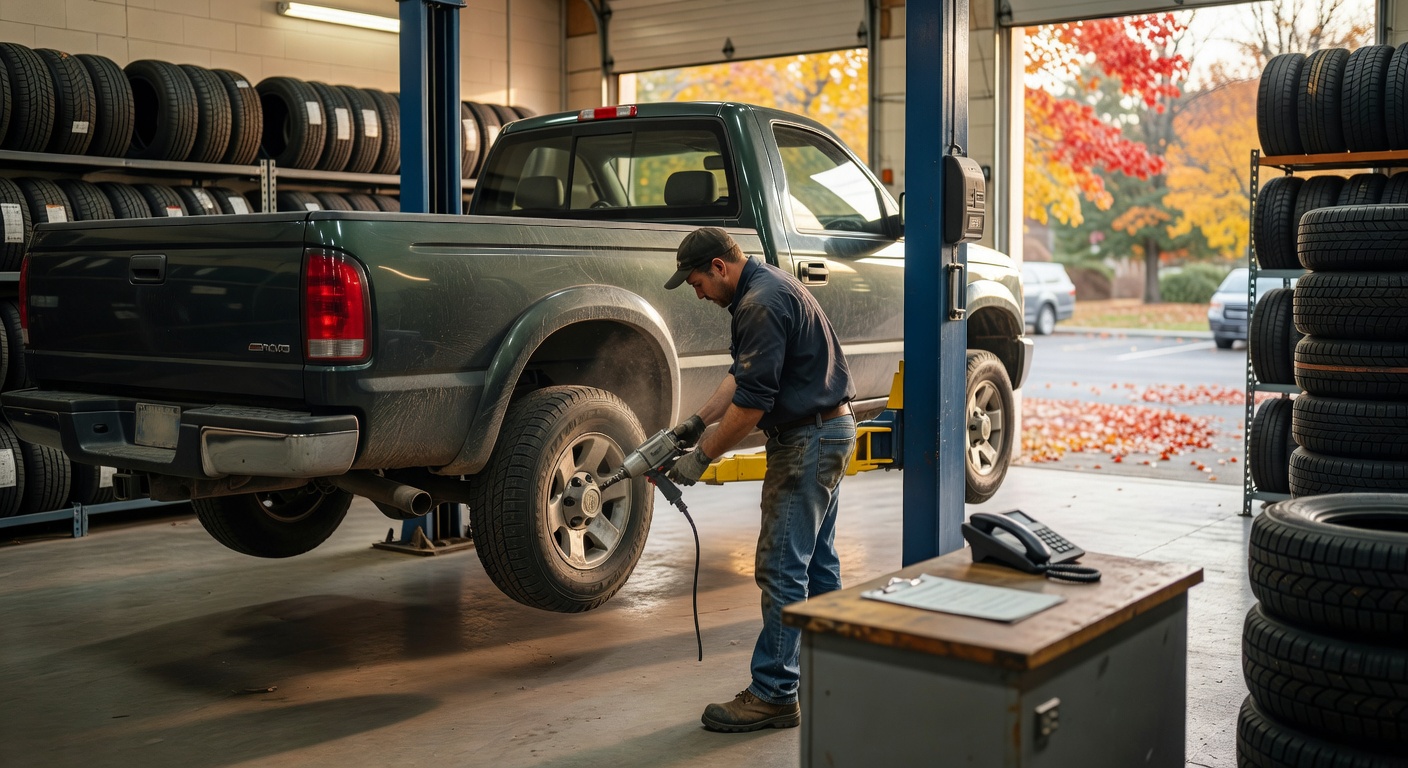
It's 10am on a crisp fall morning. Your bays are full with tire changes, a walk-in just dropped off their SUV for an alignment, and your phone won't stop ringing.
One call is about basic pricing for all-seasons. Another dives into whether winter tires fit a lifted F-150 without rubbing. You grab the phone mid-job, but by the time you explain, the customer hangs up frustrated.
Independent tire shops in Canada field 40-60 calls a day during peak seasons like fall changes (Canadian Automobile Association). **Yet 62% of calls to small auto shops go unanswered during those busy hours (NOUS customer data).**
The average shop misses 8-12 calls per day when things get slammed (NOUS customer data). Each missed tire job costs $400 or more in lost revenue (NOUS customer data). And 85% of callers won't leave a voicemail. They just dial the next shop down the road.
Your techs shouldn't drop wrenches to play phone tag on every nuanced question. That pulls them off the floor and leaves money on the table.
The real drag isn't ignoring the phone. **It's that complex calls need your shop's know-how, but you can't clone yourself to handle them all.**
AI steps in to grab routine stuff like booking slots or quoting 225/65R17s. For the tricky ones, like warranty claims or odd tread wear diagnosis, it hands off smoothly to your team. Customers stay on the line, get answers, and book jobs without starting over.
When AI Knows It's Time to Escalate a Call
AI listens close from the first ring. It nails simple asks. Think appointment times or stock on Michelins.
But tire shops get 40% of calls with nuances. Customers ask if snowflakes-rated tires work on their AWD Subaru or how to claim on a bent rim (Tire Dealers Association of Canada survey). **AI flags these by keywords, context, or if the chat loops more than twice.**
No awkward pauses. The AI says something natural like, "That sounds specific. Let me get our tire expert on for you right now." It queues context. Your tech picks up knowing the vehicle, issue, and what was already covered.
A 2023 Zendesk report shows AI handles 70% of routine queries in service spots (Zendesk). Escalation hits 25-30% for complex stuff. In tire shops, that means routing province rules like Ontario's studded tire regs straight to staff who know MTO details.
Without this, customers repeat everything. Hold times drag. They bail. Check out common tire shop phone frustrations that kill revenue.
This setup cuts repeat calls by half, like shops using Five9 systems report. Your floor stays productive. Customers feel heard fast.
40% of tire shop calls involve nuanced questions like tire compatibility or warranty claims (Tire Dealers Association of Canada).
How Seamless Handoffs Turn Complex Calls into Booked Jobs
Picture a caller with uneven tread on their RAM 1500. AI asks basics. Hears it's not standard wear. Escalates instantly.
**The handoff shares a quick summary: vehicle, symptoms, preferences.** No rehashing. Your tech jumps in: "Sounds like camber issue. We can check alignment while swapping tires." Upsell lands. Job books for $800 instead of $400 tires alone.
In Mississauga, one shop triaged a lifted truck winter tire fit. Escalation added alignment. Ticket jumped 30%. Harsh Ontario winters push 80% of drivers to swap seasonally (CAA data). AI routes those October-April rushes without floor chaos.
Owners hate diverting techs. It kills productivity. Proper escalation keeps them wrenching. Customers book faster. Read how shops claw back thousands from lost calls.
Integrated systems log everything. Post-call summaries detail what escalated and why. Spot patterns like frequent warranty chats. Train staff or stock better.
See what those summaries look like. They flag upsell misses too. Revenue climbs without extra hours.
Shops with this see 15-20% less revenue leak from abandoned calls (HubSpot benchmarks).
Why AI Escalation Gives Independent Shops an Edge
Chains have front desks. You don't. AI levels it. Handles volume 24/7. Escalates peaks to your best guy.
70% quick resolutions build trust. Humans close the rest. Loyalty sticks. Shops with round-the-clock coverage keep 15-25% more customers (industry average).
During fall crunches, AI checks inventory mid-call. Can't advise on custom sizes? Escalates with notes. No lost leads. Dive into how AI verifies stock on calls.
**Independent shops lose the phone game to chains without this (see our post on independents vs chains).** AI flips it. Answer rates jump 10%. That's real dollars. One post covers what 10% better answering means.
Customers think it's your desk. 70% pick shops on quick answers (survey data). Complex handoffs feel personal. Bookings rise. No tech floor time wasted.
Your skeptical side wonders if AI fumbles tech talk. It doesn't. Trained on tire lingo. Escalates smart. Revenue from missed calls? Gone.
You're thinking AI misses shop smarts on weird calls. **But it spots limits fast and hands off with full context, so your team closes without rework.** Most customers never know it was AI first. One recovered job covers costs.
One shop we work with in Markham, Ontario, used to drop complex winter tire queries. Now AI escalates them seamlessly. They booked 25% more alignments last season. Revenue up $15k in peak months. Techs stay in bays.
Frequently Asked Questions
What counts as a complex call for tire shop AI?
Anything beyond basics like scheduling or prices. Think tire-vehicle matches, warranty details, or diagnosing wear patterns. AI flags by conversation flow and hands off smoothly.
Do customers notice the switch from AI to human?
Nope. The transition sounds natural, like getting a specialist. Context passes over, so no repeating info. They just get expert help fast.
How quick is escalation during busy shop hours?
Under 30 seconds usually. AI queues it to your available tech or voicemail with summary if all busy. Follow-up calls drop because issues resolve first time.